Understanding the Auction House Economy in Online Games

An auction house is the marketplace where players buy and sell virtual items using gold or another form of in-game currency. Understanding its economy helps you judge market price, calculate real profit, and choose between farming, crafting, saving, or trading.
Although each online game uses different rules, the same economic forces appear repeatedly: supply, demand, item rarity, utility, competition, transaction costs, and changing player behavior. Treat the auction house as a live market rather than a vending machine. Prices move because thousands of players make decisions at the same time.
What an Auction House Is and How It Works
An auction house is a player-driven marketplace that organizes listings, bids, buyout prices, and completed transactions. It gives players access to items they did not farm or craft themselves while allowing sellers to convert resources into gold.
A seller usually creates a listing by choosing an item, quantity, duration, and price. Depending on the game, the listing may use an auction format, where players place bids, or a fixed buyout price, where the first buyer completes the sale. Some systems support both.
- Sell listings: Items offered to buyers at a stated price.
- Buy orders: Requests from buyers willing to pay a specified amount.
- Bids: Competing offers that may increase before an auction ends.
- Buyouts: Immediate purchases that remove the item from the market.
- Completed sales: Transactions that transfer the item and currency, usually after a system fee.
The auction house also controls market access. Search filters, stack sizes, listing durations, regional restrictions, and visible price history all influence how easily players can compare products. A market with buy orders behaves differently from one with only sell listings because buyers can state what they want to pay instead of accepting the lowest available offer.
This structure separates the person who generates an item from the person who needs it. A miner, gatherer, crafter, or monster farmer supplies the market; another player pays for convenience, progression, or combat power.
The Economic Forces Behind Item Prices
Supply and demand are the main forces behind auction house prices: prices tend to rise when many players want an item and few units are available, and fall when supply exceeds active demand.
Supply comes from farming, resource generation, crafting, quest rewards, enemy drops, and event distributions. Demand comes from item utility. A rare cosmetic may attract collectors, while a common material may sell steadily because players use it in consumables, equipment, or upgrades.
Rarity matters, but rarity alone does not guarantee a high market price. An extremely rare item with little practical use can sell more slowly than a common resource required by every player at a major progression stage. A useful way to evaluate an item is to ask three questions:
- How difficult is it to generate more units?
- How many players currently need it?
- How quickly can buyers replace or avoid it?
Progression cycles can shift demand sharply. When a new raid, level cap, or crafting tier appears, materials and equipment connected to that content may become expensive. Later, as more players obtain the items and optimize their routes, supply often grows and prices soften.
Player population also matters. A large, active market may have higher trading volume and tighter price ranges. A smaller market can support higher prices for scarce goods, but sales may take longer. Seasonal events, balance patches, reward changes, and changes to farming routes can all move the market within hours.
Fees, Currency Flow, and the Cost of Trading
Listing fees, deposits, and transaction taxes reduce the amount of currency you keep, so profit must be calculated after every trading cost rather than from the sale price alone.
Games use these charges to create currency sinks. Currency sinks remove gold from circulation and help counterbalance the currency created by quests, enemy drops, vendors, and farming. Without such sinks, inflation can make old prices meaningless and weaken the purchasing power of ordinary players.
A basic profit formula is:
Net profit = sale revenue − transaction fee − listing cost − material cost − other expenses
For example, suppose a crafted item sells for 1,000 gold. Materials cost 620 gold, the transaction tax is 50 gold, and the listing deposit is 20 gold. Your net profit is 310 gold, not 1,000 gold. If the item fails to sell and the deposit is not returned, relisting adds another cost.
Time also belongs in the calculation. If gathering the materials takes 30 minutes, compare the result with the gold you could have earned from another activity during that time. This is opportunity cost. A craft can have a positive margin yet remain inefficient if its materials are easy to sell directly for more value.
Currency flow affects the wider in-game economy. High repair costs, crafting charges, travel fees, and auction taxes remove currency, while farming and rewards add it. Watch for inflation when prices rise across many unrelated categories, rather than only in one item group.
How to Read Market Data and Price Items
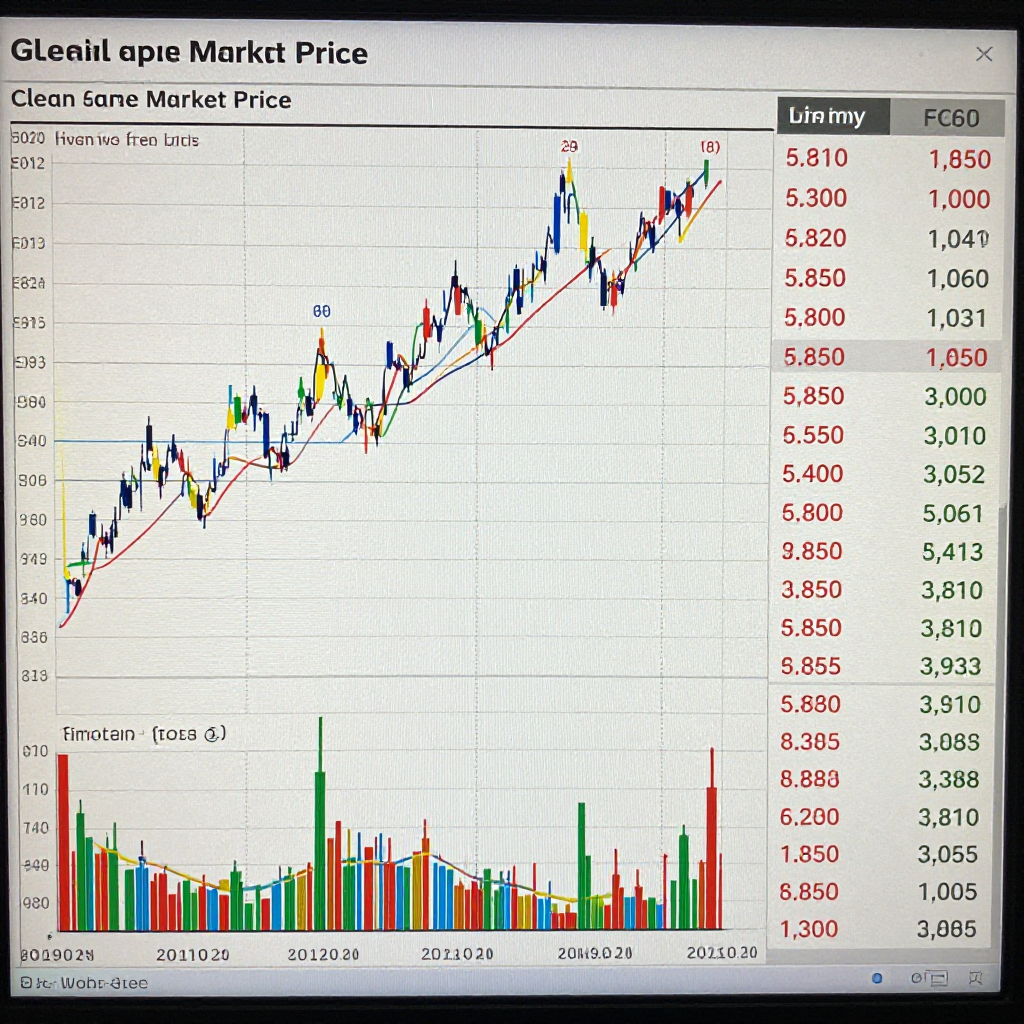
To price an item well, compare historical prices, current listings, sales volume, competition, and realistic sell-through speed instead of copying the cheapest listing.
The lowest visible listing may be an outlier, a temporary undercut, or a single unit that does not represent the market. The highest listing may reflect hope rather than actual buyer behavior. An asking price shows what a seller wants; a completed sale shows what buyers actually accepted.
Before listing, record:
- The lowest, median, and highest current prices.
- The number of competing listings and their stack sizes.
- Recent sale history or average completed prices, if available.
- How quickly similar items disappear from the market.
- The fee-adjusted price needed to reach your target margin.
Volume can matter more than headline price. Selling 100 units at 90 gold may be better than listing 10 units at 120 gold if the cheaper price matches active demand and produces faster turnover. Price ranges are especially useful: list near the market median when you value reliability, or slightly below it when speed matters and the fee structure supports the decision.
Keep a small record outside the game. Track date, quantity, purchase cost, listing price, final sale price, fees, and time to sell. After 10 to 20 transactions, patterns become clearer. You may discover that an item has a strong weekend market but weak weekday demand, or that large stacks sell poorly despite a good unit price.
Farming, Crafting, and Choosing What to Sell
The best item to sell is usually the one that combines dependable demand, acceptable sale speed, and a margin that justifies your farming or crafting time.
Farming creates supply, but it does not automatically create profit. Start by comparing the market value of a resource with the time required to obtain it. Then compare that result with direct sales, crafting, and alternative activities.
Direct resource sales
Raw materials often provide reliable income because crafters buy them repeatedly. Their weakness is competition: efficient farming routes can quickly increase supply, especially after a guide popularizes them.
Crafting for added value
Crafting can produce a higher margin when players pay for convenience or when the finished item requires specialized recipes. Subtract every material cost, including materials you gathered yourself. Using self-farmed resources does not make them free; you could have sold those resources directly.
Reliable versus speculative inventory
Reliable products have regular buyers and predictable use. Speculative products depend on a future price increase, such as materials expected to become valuable after an update. Speculation can work, but it ties up capital and may fail if a patch changes recipes, drop rates, or item utility.
Use a simple filter called margin, movement, and mission: margin asks whether the item earns enough after fees; movement asks how quickly it sells; mission asks why buyers need it. If one factor is weak, reduce the quantity you commit.
Common Auction House Strategies and Risks
Auction house strategies include undercutting, bulk selling, flipping, speculation, and holding inventory, but each approach carries risk from fees, volatility, competition, and slow sales.
- Undercutting: Listing below competitors may increase sales speed, but aggressive undercutting can start a price war that harms every seller.
- Bulk selling: Large stacks save listing effort and suit high-volume buyers, while smaller stacks may reach players with limited budgets.
- Flipping: Buying below a realistic market value and reselling higher depends on accurate data, sufficient capital, and patience.
- Speculation: Holding items for a future event or patch can produce gains, but prices may fall if supply increases or demand never arrives.
- Inventory holding: Waiting for a better price may improve revenue, yet it also locks away currency and exposes goods to market changes.
The most common mistake is treating revenue as profit. A 10% price increase may disappear after a 5% tax, two failed listings, and the cost of buying replacement materials. Another mistake is copying a successful trader’s listing without knowing their purchase price or sales volume.
Market manipulation can also create misleading signals. A player may remove listings, post artificial prices, or coordinate purchases to make an item appear scarce. Do not assume a sudden price spike will continue. Check completed sales and wait for confirmation when the decision involves a large share of your capital.
Building a Sustainable In-Game Trading Routine
A sustainable auction house routine follows five steps: observe the market, estimate total cost, set a target margin, list strategically, and review the result.
- Observe: Check prices at consistent times and identify items with real volume rather than attractive but stagnant listings.
- Estimate: Include materials, listing fees, transaction taxes, deposits, and the value of your time.
- Set a threshold: Decide the minimum net margin and maximum holding period before you buy or craft.
- List strategically: Choose stack sizes, durations, and prices that match buyer behavior. Avoid posting your entire inventory at once in a thin market.
- Review: Record sales, unsold items, cancellations, and price changes. Adjust one variable at a time.
Separate your capital into working funds, reserve funds, and experimental funds. Working funds support normal purchases; reserves protect you from a bad patch or slow market; experimental funds limit the damage from speculation. This structure prevents one failed prediction from ending your trading activity.
Adapt around updates and seasonal demand. Before new content launches, monitor related materials and recipes without assuming every price will rise. After launch, watch supply, player progression, and completed sales. The first price spike often attracts new farmers, which can compress margins quickly.
Auction house trading works best as a measured economic activity, not a promise of guaranteed income. When you understand supply, demand, fees, opportunity cost, and buyer behavior, you can make better decisions whether your goal is to fund equipment, support crafting, or build long-term in-game wealth.
Frequently Asked Questions
How does supply and demand affect auction house prices?
Prices usually rise when demand exceeds available supply and fall when sellers produce more units than buyers need. Progression content, events, farming routes, and player population can change either side quickly.
What fees should players include when calculating profit?
Include listing fees, deposits, transaction taxes, material costs, relisting costs, and the opportunity cost of your time. Use the final received amount rather than the displayed sale price.
Is auction house flipping different from farming items?
Yes. Farming generates or gathers items, while flipping buys existing listings and resells them. Farming mainly risks time and market prices; flipping also risks capital being trapped in unsold inventory.
How can players avoid overpaying for items?
Compare historical prices, recent completed sales, competing listings, and expected demand. Avoid purchasing immediately after an unexplained spike unless you have strong evidence that the underlying utility or scarcity has changed.
Why do item prices change after updates or new content?
Updates can change drop rates, recipes, item utility, progression goals, and player activity. New content often increases demand first, while later farming and reward availability may increase supply and lower prices.